Key takeaways
- The Legal Services Act 2007 reserves six activities; any change would need a regulatory review and, in most cases, legislation.
- The LSB’s chief executive has spoken in 2026 about looking again at the list, but a speech is not a proposal.
- Until the law changes, outsourcing providers must keep clear of reserved activities and firms must supervise their work.
- Watch for a formal LSB consultation and prepare contracts and policies that are easy to adjust.
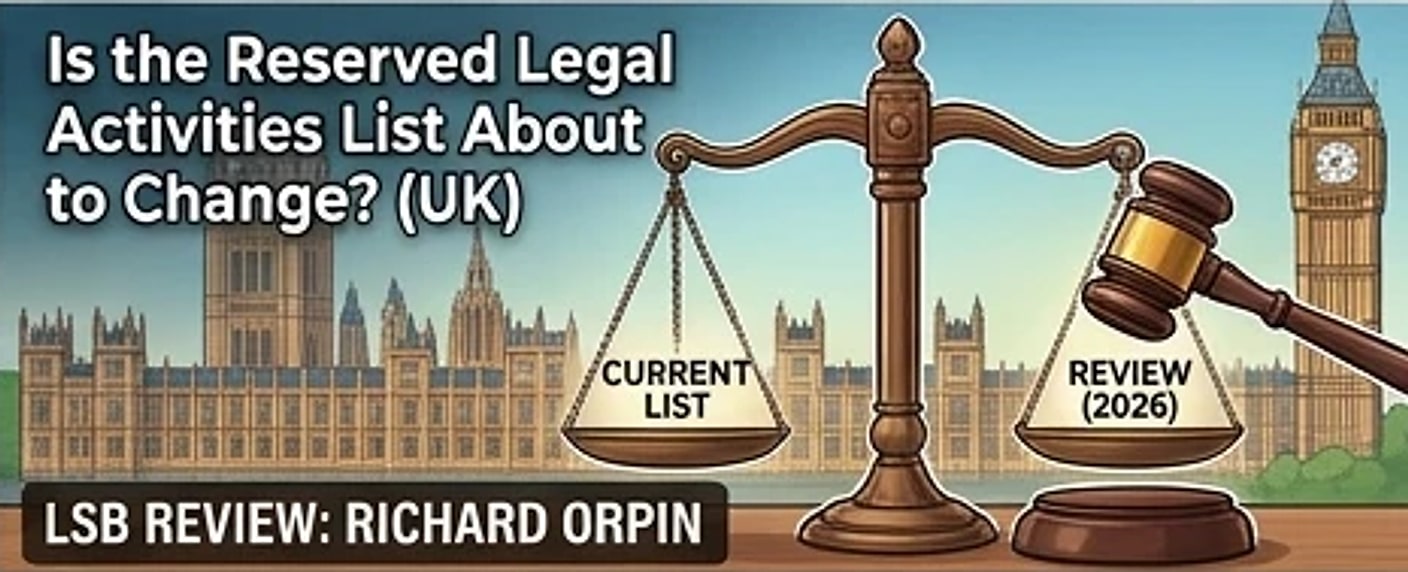
In 2026 the Legal Services Board signalled that the list of reserved legal activities may need a fresh look. Its new chief executive, Richard Orpin, said in a major speech that the case for reviewing the list is growing and that the board intends to make it. The reserved legal activities 2026 debate is not about a decision. It is about whether a list written in 2007 still fits a market in which artificial intelligence can draft documents and answer legal questions. The reserved legal activities 2026 debate began with that speech.
This guide explains what was said, why AI is central to the argument, what the reserved list covers today, what has and has not been decided, who is likely to be affected and how to prepare. It is written by an Indian law firm for UK readers. UK policy developments move quickly, so check the Legal Services Board’s website and your regulator before you act.
What the LSB said
Richard Orpin became chief executive of the Legal Services Board in early 2026. In his first major policy speech, reported to be at LegalEx in London in March 2026, he said the board was not announcing a full statutory review that day, but argued that the case for one was growing. He said the board would need a robust evidence base first. The speech was reported by Legal Futures, the Law Gazette and others. Searchers following the Legal Services Board review of reserved activities and Richard Orpin LSB chief executive remarks should read the reports directly.
He also said that technology is making the list of reserved activities look dated, and that AI is blurring the boundaries between regulated and unregulated legal advice. The market, he suggested, has changed beyond recognition since the Legal Services Act 2007. He pointed to the board’s powers, such as accrediting self-regulatory schemes run by others, as tools that might help to widen oversight. His remark that AI blurring regulated and unregulated legal advice is central to the reserved legal activities 2026 discussion.
Dates need care. Some reports place the speech in March 2026, but sources do not agree on a specific day, and a 16 March date that appears in some summaries refers to an LSB meeting with the Bar Standards Board in a progress report. The safest wording is that the speech took place in March 2026. Check the LSB’s own publication before you quote a date.
Why AI is central
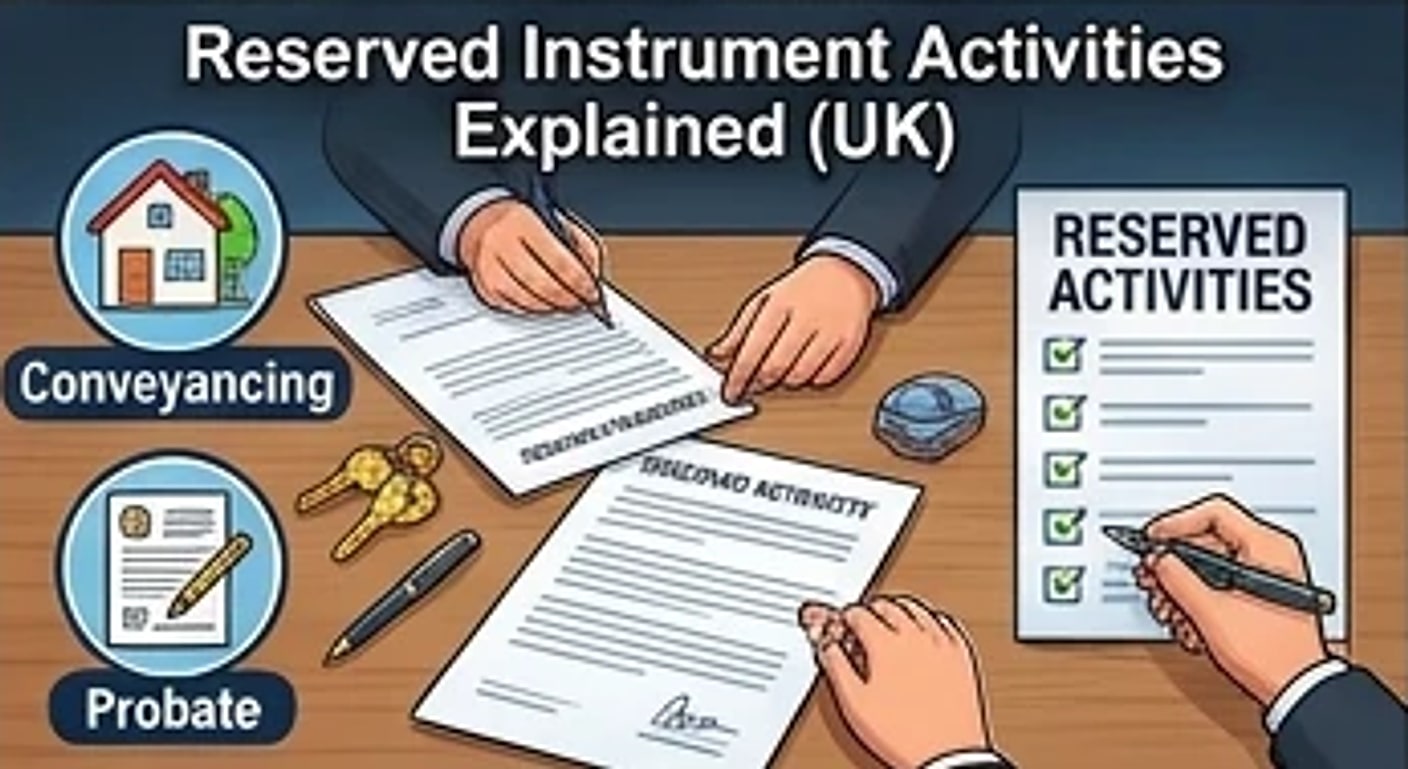
The Act reserves six activities: rights of audience, conduct of litigation, reserved instrument activities, probate activities, notarial activities and the administration of oaths. Legal advice is not reserved. AI tools can now give legal information and draft documents at scale, mostly in the unreserved space. That raises questions about quality, accountability and consumer protection, even where no reserved activity is involved.
| Activity | Plain meaning | Outsourcing note |
|---|---|---|
| Rights of audience | Speaking in court as advocate | Not for unauthorised providers |
| Conduct of litigation | Issuing and running court cases | Not for unauthorised providers |
| Reserved instrument activities | Certain land and property documents | Not for unauthorised providers |
| Probate activities | Preparing probate papers | Not for unauthorised providers |
| Notarial activities | Acts of a notary | Not for unauthorised providers |
| Oaths | Administering oaths | Not for unauthorised providers |
The LSB has also set out an AI plan for 2026-27, focused on coordination, clarity and confidence in responsible AI adoption in legal services. It has talked about the possible need for minimum standards for AI legal tools. The point is not that AI breaches the reserved list, but that the dividing line between regulated and unregulated help is harder to defend when a consumer cannot tell who or what is advising them.
Another factor is the growth of the unregulated sector. A large share of everyday legal help, including wills, employment advice and document services, is provided by unregulated businesses. If AI lowers the cost of entry, the sector may grow faster. Regulators will ask whether the current model, which protects a narrow list, gives consumers enough protection, and the answer may shape the review.
What has and has not been decided
Nothing has changed in law. The six reserved activities remain, and carrying one on without entitlement is still an offence under section 14 of the Act. The LSB has not announced a statutory review, and any change to the list would need Parliament or the Lord Chancellor to act through legislation or secondary legislation. Commentators have noted that earlier recommendations, such as making will writing a reserved activity, were rejected by government. Any Legal Services Act 2007 reform would need Parliament, so the reserved legal activities 2026 story is about direction.
What the speech does is signal direction. The board is preparing an evidence base and is thinking about alternatives to the current configuration, such as risk-based regulation of services rather than a fixed list. Reports have discussed the possibility of looking at different ways to configure the activities. These are options, not proposals, and they will go through consultation if they go forward. The LegalEx speech reserved activities coverage is the best primary indicator so far.
Other bodies will have views. The Law Society, the Bar Council, the SRA, the Ministry of Justice and consumer groups will all engage. Expect debate about whether the list should grow, shrink or be replaced by an outcomes-based approach. For now, treat the reserved legal activities 2026 story as a trend to watch, not as a change to plan around.
Who is affected and how to prepare
Law firms should watch the review because a change to the list could affect their market. Firms that use AI and offshore support should be ready to show supervision, accuracy checks and client protection. The SRA’s warning notice on AI in August 2026 stresses that solicitors remain responsible for AI outputs, so good governance is useful whatever the LSB decides.
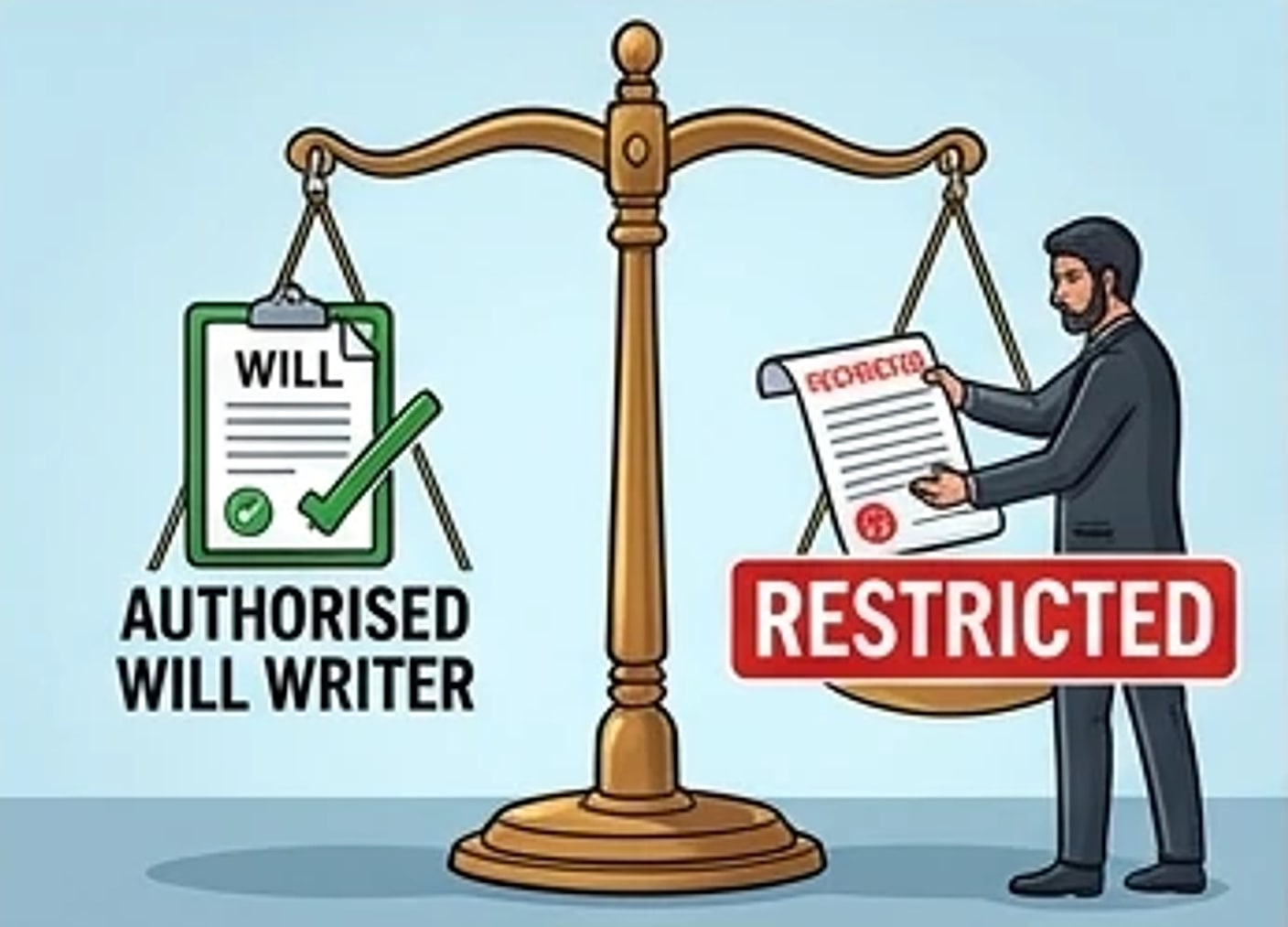
Unregulated providers, including will writers, legal tech businesses and offshore support companies, should prepare for more scrutiny. Review your claims about being regulated or authorised, clarify your boundaries, keep reserved work with authorised persons and consider voluntary standards. If your product gives legal information with AI, document how accuracy and limits are communicated to users.
Consumers and small businesses should ask who provides the service, whether it is regulated and what recourse they have. The review, if it happens, may lead to more protection in areas that are unreserved today. Until then, the unreserved legal activities list remains the practical boundary, so use providers carefully and check their credentials and insurance. Providers should keep reserved legal activities 2026 developments on their risk register.
Next steps and quick answers
Follow the LSB’s publications and consultations, review your own services against the six activities, document AI supervision and prepare to respond if a consultation opens. This is general information, not legal advice.
Related reading: reserved legal activities and outsourcing to India, unreserved legal activities in England and Wales, reserved instrument activities explained, legal outsourcing for UK law firms, the SRA AI warning notice and a legal outsourcing agreement for solicitors; also whether will writing is a reserved activity and the Section 14 reserved legal activity offence; also whether lawyer is a protected title in the UK, authorised persons under the Legal Services Act and exempt persons under the Legal Services Act.
Quick answers
Is the reserved legal activities list going to change?
Not yet. The LSB’s chief executive said the case for a review is growing, but no statutory review has been announced and the six reserved activities are unchanged.
Why is AI part of the argument?
Because AI tools give legal information and draft documents mostly in the unreserved space, which blurs the line between regulated and unregulated advice and raises consumer protection questions.
What should unregulated providers do now?
Clarify the limits of the service, keep reserved work with authorised persons, document AI accuracy checks and watch for consultations from the LSB and the government.
Has the reserved legal activities list been changed?
Not as far as the sources reviewed show. Commentary refers to LSB remarks in 2026 about a review. Check the LSB website for any formal consultation.
Final word
Halverton & Co. is an Indian law firm advising UK companies, founders, investors and law firms on Indian law, including legal services regulation, outsourcing and AI governance for law firms, and cross-border legal support between India and the UK. We practise in Jharkhand, Maharashtra and before the Supreme Court of India, and work alongside your UK solicitors, who advise on English law. Halverton & Co.: Where tech needs law! If you have a question about Indian law, write to us at office@halvertonandco.com, or get in touch.
This article reflects developments reported up to 31 October 2026. It is for general information only, is not legal advice, and does not create a solicitor-client relationship. Halverton & Co. is an Indian law firm, is not authorised or regulated by the Solicitors Regulation Authority, and does not advise on English law; UK-law points should be confirmed with UK advisers.
Sources
Related practice area
Startups & Venture
From incorporation to term sheet. The documents a company needs to be fundable.
View the practice areaComments
No account needed. Comments are reviewed before they appear, so yours will show here once approved. Please do not share confidential details or describe your own legal matter: replies are general discussion, not legal advice, and do not create an advocate-client relationship. For your own situation, write to office@halvertonandco.com.