Key takeaways
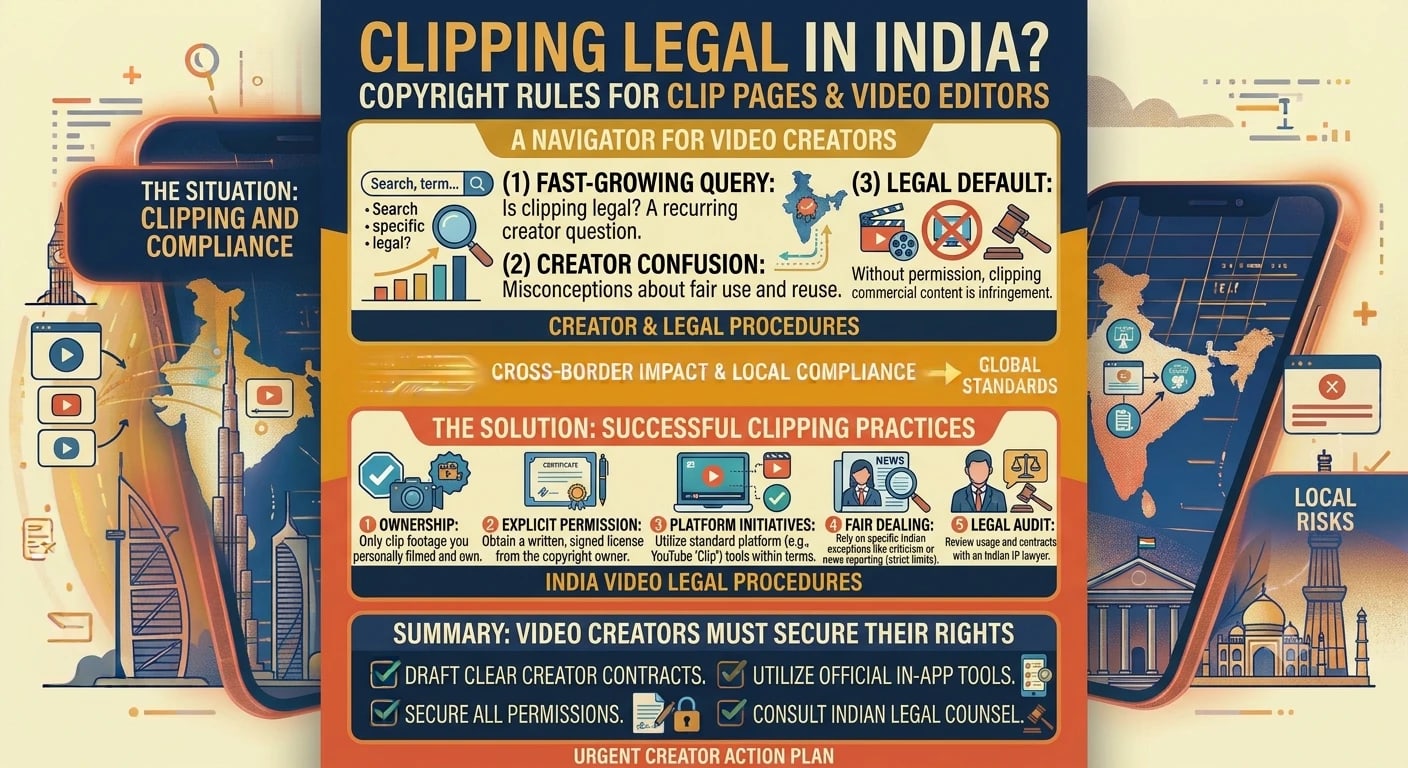
- Clipping is clearly legal when you own the footage, have permission or the work is in the public domain.
- Section 52 fair dealing can cover short clips for criticism, review and reporting, but there is no safe number of seconds.
- Content ID cannot judge fair dealing, so strikes can arrive even when your defence is good.
- Keep permissions, add real commentary and avoid full scenes or songs.
Is clipping legal in India? Clipping is clearly legal when you own the footage or have the owner’s permission. In other cases the answer is it depends. Indian law has no general fair use rule, but Section 52 of the Copyright Act allows fair dealing for criticism, review and reporting current events, and courts have looked at short clips on that basis. A clip page that reposts entertainment or news without adding anything is on much weaker ground.
This guide explains the legal tests that apply to clips, what recent disputes over news and entertainment clips show, why YouTube strikes arrive even when your defence is good, and a practical checklist for clip pages, reaction creators and video editors. It is general information, not legal advice. If a rights holder threatens a suit, take advice from an Indian IP lawyer promptly.
When clipping is clearly legal
Clipping is safe where you own the copyright in the footage, where the owner has licensed you to use it or where the work is in the public domain. In India, copyright in a film or video generally lasts for 60 years from the year after publication, and in broadcasts for a shorter period, so older material may be free to use, but the music and other elements may have different terms. Always check each layer.
Permission can come from a licence, a contract or a platform feature that the owner has switched on. Some creators and channels invite clipping by allowing others to use their content under stated terms, and some broadcasters run official clip programmes. Written permission is the best protection. Keep emails and licence terms, and note whether the permission covers monetisation, the platforms you use and the length of the clip.
If you edit for a client, check that the client owns or has licensed the footage before you cut. An editor who uses material supplied by a client can still be named in a claim if the client had no rights. Add a clause to your editing contract in which the client warrants ownership and agrees to indemnify you. The question of is clipping legal in India turns first on ownership and permission.
Fair dealing and the limits of clipping
Section 52(1)(a) of the Copyright Act, 1957 lists acts that are not infringement, including fair dealing with a work for private use including research, for criticism or review, and for reporting current events. Indian courts have looked at purpose, how much is taken, whether the use is transformative and whether it harms the market for the original. Fair dealing for criticism and review needs real commentary, not just a label. Is clipping legal in India when you add commentary? Often, if the use is short and the commentary is real.
| Question | Safer answer | Risky answer |
|---|---|---|
| Ownership | You own it or have written permission | You found it online |
| Purpose | Criticism, review or reporting that is visible | Entertainment reposting |
| Amount | Short, no more than needed | Full scenes or songs |
| Commentary | Substantial and original | Label only |
| Substitution | Does not replace the original | Viewers need not watch the original |
A short clip with your own analysis, placed in a video that mainly consists of your own work, is much stronger than a long, unaltered clip with music added. Reaction content works only if the reaction is substantial, as with review or critique. If your video simply shows the original with a face in the corner, it may substitute for the original and weaken a fair dealing argument. The reaction video copyright India law applies is fact specific.
Some uses never qualify. Reposting full scenes, songs or episodes to attract views, adding no commentary, is infringement. Using clips of films and music videos as background content is also risky. Credit does not make a use legal, and neither does a disclaimer such as no copyright intended. If you can answer can I use movie clips on YouTube India with a clear review or criticism purpose, a short extract and no substitution, you are in a better position.
What recent disputes show
News clip disputes have tested these limits. In a dispute reported in 2025, the news agency ANI took action against a YouTuber, Mohak Mangal, over short clips used in videos, and the matter drew attention to how fair dealing applies to short online clips. Commentators noted that there are no clear limits on how long a clip can be, and the case is a current example of calls for clearer standards. Check the court record for the current position. Is clipping legal in India for news pages? Reporting current events is a recognised purpose, but only for genuine reporting.
Earlier decisions of Delhi courts on broadcast clips, including disputes between news channels over short extracts used in critique, show that limited use for reporting or review has been accepted where the extract was short and not a substitute. The outcomes depended on the facts. There is no safe number of seconds. Some commentary suggests that 5 to 10 second clips with commentary have a good chance, but that is a rule of thumb, not law.
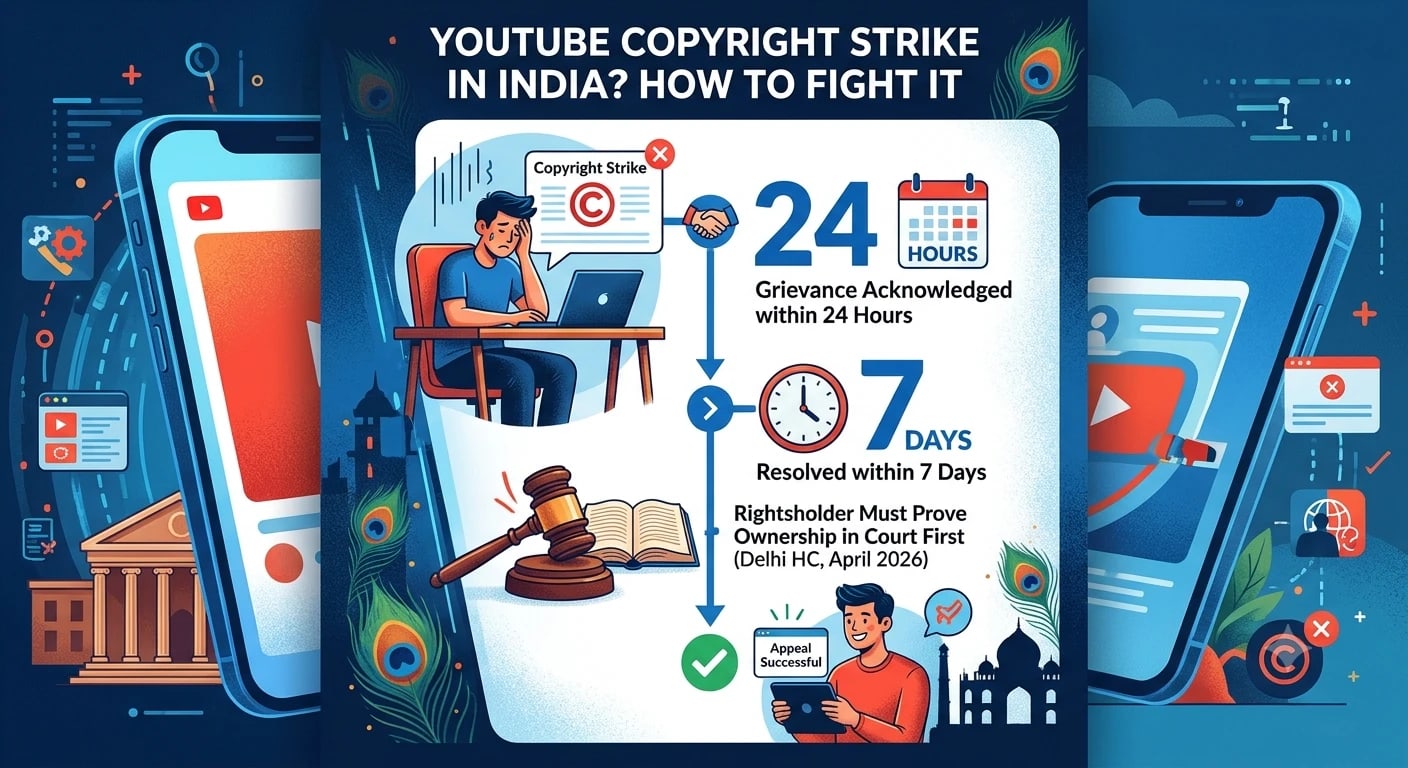
The ANI v Mohak Mangal clips dispute also shows a practical problem. Platforms and automated systems act on claims before any court decides. YouTube’s Content ID cannot assess whether use is transformative or covered by Section 52, so creators with a good defence still receive claims and strikes. A clip page copyright strike can arrive within hours, and a counter notification and legal advice may be needed to contest it.
A checklist for clip pages and editors
Before you post a clip, ask five questions. Do I own it or have permission? Is my purpose criticism, review, reporting or education, and is it visible in the video? Is the clip short and no more than needed? Do I add substantial commentary or transformation? Does my video substitute for the original? If any answer is weak, drop the clip or ask for a licence. Keep project files that show your editing and commentary. Is clipping legal in India for your page? Run this test on every clip and keep the answers.
Reduce risk with simple practices. Clip from official channels that allow it, ask for permission by email, use short extracts, avoid the music from the clip where possible and do not monetise a page that is mostly other people’s content. For news, follow the reporting purpose and credit the source. Keep a log of permissions and a record of why each clip qualifies as fair dealing. If you get a strike, follow the counter notification steps.
For clip pages as a business, think about structure. Sign agreements with creators who allow clipping, share revenue where it makes sense and avoid pages that rely on one rights holder’s goodwill. For editors, include warranties and indemnities in contracts. For brands, check that creators have the right to use clips in ads. A clip page that builds on licences is more durable than one that relies on a legal argument alone.
Next steps and quick answers
Audit your last twenty clips this week, tag each as owned, licensed, fair dealing or risky, and replace the risky ones. Set up a permission template. If a claim arrives, respond within days. This is general information, not legal advice for your page. Is clipping legal in India? Each clip needs its own answer.
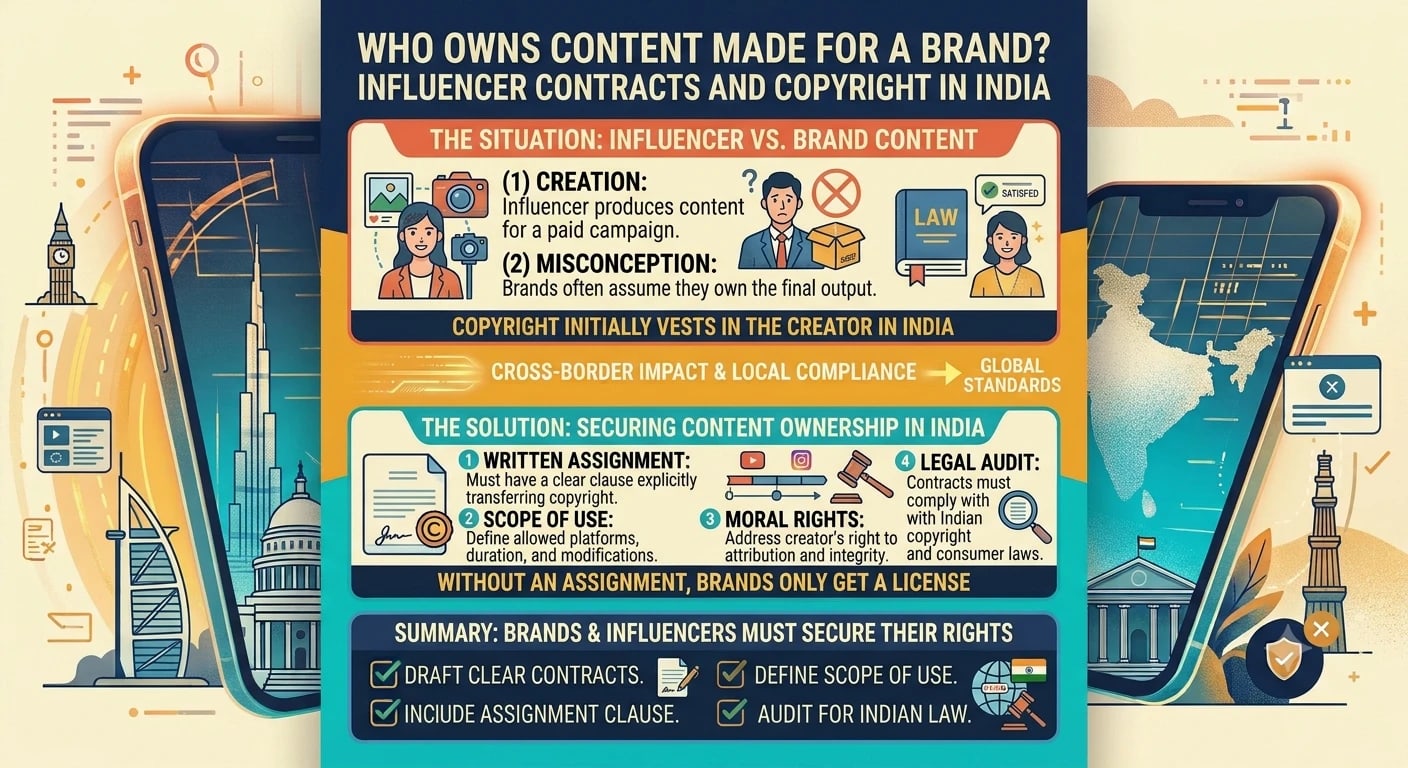
Related reading: got a YouTube copyright strike in India, using Bollywood songs in Instagram reels, ANI v. OpenAI and fair dealing, copyright takedowns in India for US creators, protecting Dubai creators from Indian copycats, who owns influencer content made for a brand and licensing Indian music for UK content.
Quick answers
Is clipping legal in India?
Clipping is legal when you own the footage or have permission. Short clips with real criticism, review or reporting purpose may be fair dealing under Section 52, but there is no safe number of seconds, and each case turns on its facts.
Can I use movie clips on YouTube in India?
Only with permission or where your use qualifies as fair dealing for criticism, review or reporting, with substantial commentary and no substitution for the film. Expect Content ID claims even if your defence is good.
Why do clip pages get copyright strikes even when they add commentary?
Automated systems match content and cannot judge fair dealing. A strike can be contested with a counter notification and supporting documents, and legal advice is wise if the claimant threatens a suit.
Is there a safe clip length in India?
No. Some commentary suggests short clips of 5 to 10 seconds with commentary have a good chance, but that is a rule of thumb, not law.
Does crediting the source make clipping legal?
No. Credit and no copyright intended disclaimers do not replace permission or a fair dealing defence.
Final word
Halverton & Co. is an Indian law firm advising founders, startups, technology companies and investors on Indian law, including copyright and content disputes for creators and media businesses, platform takedowns and strikes, and influencer and clip page contracts. We practise in Jharkhand, Maharashtra and before the Supreme Court of India, and act as fractional legal counsel for technology-driven businesses. Halverton & Co.: Where tech needs law! If you have a question about Indian law, write to us at office@halvertonandco.com, or get in touch.
This article reflects developments reported up to 31 October 2026. It is for general information only, is not legal advice, and does not create an advocate-client relationship. Halverton & Co. is an Indian law firm.
Sources
Related practice area
Intellectual Property
Trade marks, copyright, patents and designs. Searched, filed, licensed and enforced under Indian law.
View the practice areaComments
No account needed. Comments are reviewed before they appear, so yours will show here once approved. Please do not share confidential details or describe your own legal matter: replies are general discussion, not legal advice, and do not create an advocate-client relationship. For your own situation, write to office@halvertonandco.com.