
Key takeaways
- India treats stablecoins as virtual digital assets, not foreign currency, so a wallet receipt may not look like export proceeds.
- FEMA expects export proceeds to be realised through authorised dealer banks, and the contractor remains responsible for compliance.
- A later sale of USDC is taxed at a flat 30% on any gain, with 1% TDS possible on transfers.
- Use a compliant payout route, put it in the contract and collect Form W-8BEN.
Paying contractors in USDC is attractive: it is fast, cheap and works at any hour. For a US startup with Indian developers, designers or support staff, it can look like the perfect payment rail. But to pay contractors India USDC style, a US company needs to understand the Indian side, where stablecoins are treated as virtual digital assets, foreign exchange rules require export proceeds to come through banks and the tax rules for crypto are strict.
This guide explains the main risks for the contractor and for the company, the FEMA, GST and income tax issues, the structures that platforms use to stay compliant, contract clauses and a checklist. Much of the commentary comes from payment providers, so the points are flagged for checking. It is written by an Indian law firm for US readers. US tax and sanctions points should be confirmed with US counsel.
Why USDC looks easy and where it breaks
A US startup that sends USDC to an Indian contractor’s wallet avoids bank fees and delays. But the contractor has to turn the USDC into rupees, and that is where the friction appears. India does not treat stablecoins as foreign currency. They are virtual digital assets for tax purposes, and the Reserve Bank has been cautious about crypto. A wallet receipt does not look like a normal export payment in the banking system. Before you pay an Indian freelancer in stablecoin, check how the contractor will convert it.
That mismatch creates risk for the contractor. The contractor may struggle to show a bank that the money is proceeds of an export of services, to claim GST export benefits and to prove the source of funds. Banks apply anti-money laundering checks and can query or freeze accounts that receive large rupee credits from crypto trades. It is common for freelancers to get stuck at the off-ramp.
For the company, the issue is accounting and compliance. You need an invoice, a contract and a record of why you paid in a stablecoin. Check whether paying in crypto breaches your own bank or investor covenants. The decision to pay contractors India USDC style is a legal and tax design question, not just a technology choice. Take advice from both US and Indian advisers before you adopt it.
FEMA and export proceeds
Under the Foreign Exchange Management Act, 1999 and the rules on export of services, an Indian resident who provides services to a foreign client is expected to realise the export proceeds through an authorised dealer bank, in foreign exchange, within the prescribed period, and the bank reports the receipt. Receiving USDC into a wallet does not by itself produce a bank-recorded export receipt. Commentators say this makes the USDC payment India FEMA position uncertain. Export proceeds rules are the main constraint if you pay contractors India USDC style.
| Point | Wallet payment | Compliant payout route |
|---|---|---|
| Bank record of export proceeds | Unclear | Provider converts offshore and pays through banks |
| GST export treatment | Uncertain; take advice | Documented by inward remittance advice |
| Income tax | Fee income, then crypto transfer on sale | Fee income only |
| Risk for the contractor | Bank queries and holds | Lower |
The usual compliant approach is for a payout provider to convert the stablecoin outside India and send rupees or dollars to the contractor’s bank account through the banking system with the right purpose code, so that the bank can issue the proper inward remittance advice and close the export record. Vendor sources describe such flows, but these are marketing claims and the structure must be checked against current RBI and bank practice.
Do not assume that the contractor’s receipt is fine because the company sent a valid payment. The contractor remains responsible for its own FEMA and tax compliance. Ask the contractor whether they are comfortable with the structure, and give them the paperwork they need: invoices, contract and a statement that the services were exported. A conversation with an authorised dealer bank before you start can prevent problems.
GST and income tax for the contractor
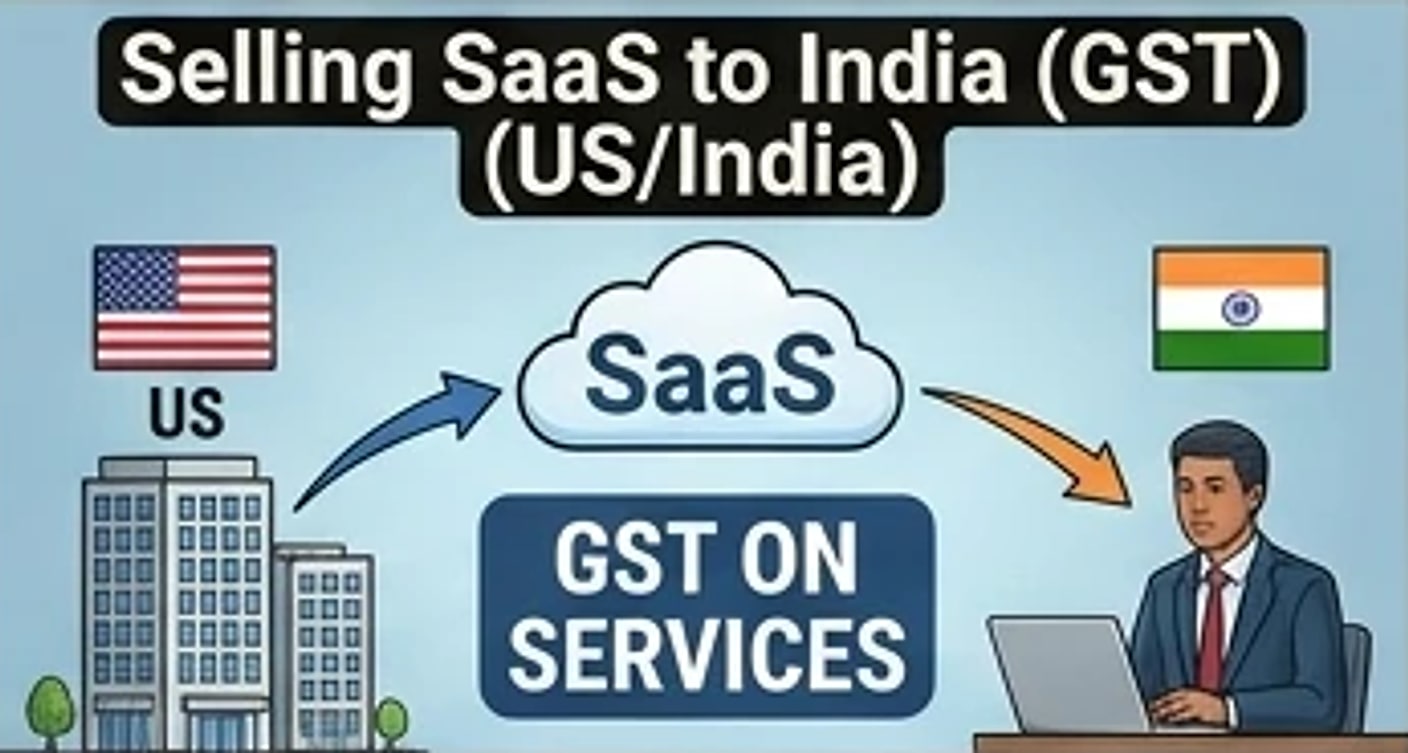
Export of services is generally zero-rated for GST, and a registered contractor can invoice without charging IGST under a Letter of Undertaking or pay IGST and claim a refund. A condition for export treatment is that the payment is received in convertible foreign exchange or in rupees where the Reserve Bank permits. One tax site says that payment in crypto does not qualify for the LUT route, though it cites no rule, so a GST export of services crypto payment needs a chartered accountant’s view. Tax follows the form of payment when you pay contractors India USDC style.
For income tax, the contractor’s fee is business or professional income, taxable at normal rates. If the contractor receives USDC as payment and later sells it, the sale is a transfer of a virtual digital asset, taxed at a flat 30% on any gain with no deduction other than cost, and a 1% TDS may apply on transfers through an Indian exchange. The exchange rate at receipt sets the cost, so records matter.
These rules create a real risk of double counting and mismatches. The contractor may need to show the fee as income at the value on the day of receipt, and then report the later sale. TDS on crypto received India freelancer arrangements raise is a point that your contractor’s adviser should check. Keep dated records of every receipt and sale. The Income-tax Act, 2025 and the reporting rules for crypto now make exchange data visible to the tax department.
A compliant structure and contract clauses
Use a payout provider that converts stablecoins offshore and pays through the bank system. Check that the provider is licensed in the jurisdictions where it operates, performs sanctions and anti-money laundering checks and gives the contractor the right documents. A stablecoin payout provider India contractors use should give an electronic inward remittance advice that matches the invoice. Verify the claim with your Indian adviser, because practices change. A compliant route is the safest way to pay contractors India USDC style.
Put the arrangement in the contract. State the currency of the fee, whether payment is in USD or in USDC, the payout method, who bears conversion and network fees, and that the contractor is responsible for its own taxes. Add a clause that the company may switch to bank transfer if regulations or banks require. Include confidentiality, IP assignment and termination, and a warranty that the contractor is not a sanctioned person.
On the US side, collect a Form W-8BEN from the contractor to document foreign status, and check withholding and reporting rules with US counsel. Keep sanctions screening and records. Consider whether a simple bank transfer in dollars is cheaper than the compliance work. Many companies keep stablecoins for internal treasury and pay Indian contractors through regulated rails. Decide based on volume and risk.
Next steps and quick answers
Before you switch contractors to USDC, ask your Indian adviser to review FEMA, GST and tax points, test the payout route with one contractor and keep a record of the paperwork. Consider bank transfers as the default. This is general information, not legal advice. Review how you pay contractors India USDC every six months.
Related reading: stablecoins in India: USDT and the ARC token, hiring contractors in India from the US, who owns code written by Indian developers, USDT remittance from Dubai to India, crypto tax in India: 30% and 1% TDS, the GENIUS Act and stablecoins and whether crypto is legal in India; also crypto payments to Indian freelancers.
Quick answers
Is it legal to pay contractors in India in USDC?
It is not clearly prohibited, but a wallet receipt may not qualify as export proceeds under FEMA, and the tax treatment is complex. Use a compliant payout route that converts offshore and pays through banks, and take Indian advice.
Does paying in USDC affect GST export treatment for the contractor?
Export of services is usually zero-rated if payment is received in convertible foreign exchange through banking channels. One source says crypto payment may not qualify for the LUT route. A chartered accountant should confirm the position.
Will the Indian contractor owe tax on USDC received?
The fee is business income taxed at normal rates, and a later sale of USDC is a virtual digital asset transfer taxed at 30% on any gain, with possible 1% TDS. Keep dated records.
Is paying in USDC illegal in India?
It is not clearly prohibited, but a wallet receipt may not qualify as export proceeds under FEMA, and the tax treatment is complex. Take Indian advice.
Can the contractor claim GST export benefits?
Export of services is generally zero-rated if payment is received through banking channels. One source says crypto payment may not qualify for the LUT route, so ask a chartered accountant.
Final word
Halverton & Co. is an Indian law firm advising US companies, founders, investors and law firms on Indian law, including cross-border payments, FEMA and tax advice, virtual digital asset regulation and contractor agreements for US startups. We practise in Jharkhand, Maharashtra and before the Supreme Court of India, and work alongside US counsel, who advise on US law. Halverton & Co.: Where tech needs law! If you have a question about Indian law, write to us at office@halvertonandco.com, or get in touch.
This article reflects developments reported up to 31 October 2026. It is for general information only, is not legal advice, and does not create an attorney-client relationship. Halverton & Co. is an Indian law firm and does not advise on US law; US-law points should be confirmed with US counsel.
Sources
Related practice area
Startups & Venture
From incorporation to term sheet. The documents a company needs to be fundable.
View the practice areaComments
No account needed. Comments are reviewed before they appear, so yours will show here once approved. Please do not share confidential details or describe your own legal matter: replies are general discussion, not legal advice, and do not create an advocate-client relationship. For your own situation, write to office@halvertonandco.com.