Nobody starts a company planning to close it. But for every startup that raises a Series B, many more run out of runway, pivot, or simply stop. The founders move on to new jobs or new ventures, and the old company is left sitting on the Registrar’s records, quietly accumulating penalties.
That’s a mistake. A startup that isn’t closed properly can come back to haunt its founders through director disqualification, tax demands and creditor claims years later. This guide explains how to shut down a startup in India legally, comparing strike-off and voluntary liquidation, covering employee, tax and investor obligations, and explaining which director liabilities survive closure.
Why closing a startup properly matters
An Indian company keeps its legal obligations until it is formally removed from the register. Even if it has no business, no money and no employees, it must still file annual returns and financial statements. If it doesn’t, its directors can be disqualified under Section 164(2) of the Companies Act, 2013 from being directors of any company for five years, which can derail a founder’s next venture.
Leaving a company dormant also leaves its liabilities open. Unpaid employee dues, GST and TDS defaults, landlord claims and investor disputes don’t disappear because the founders stopped answering emails. Closing a startup properly is how founders draw a line under the past, and it’s also the respectful way to treat employees, investors and creditors.
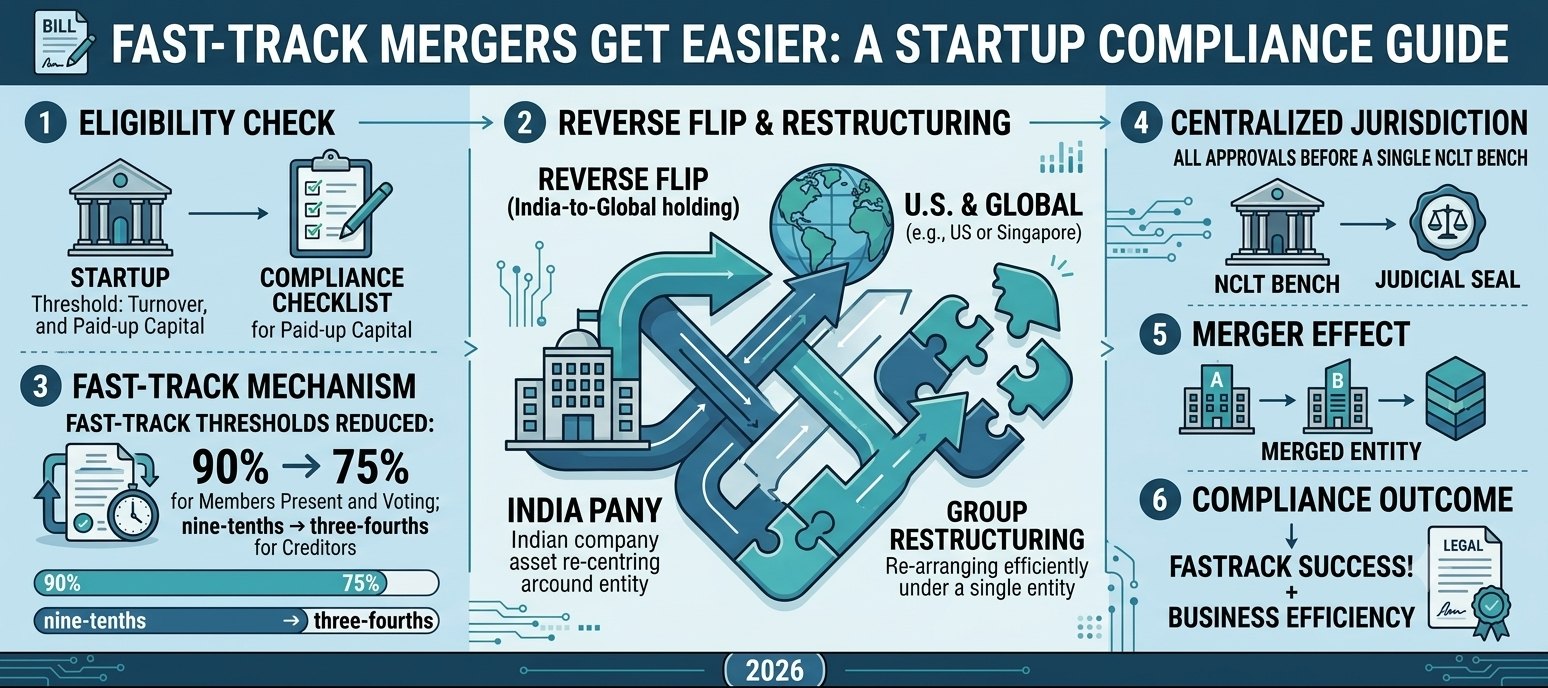
If you’ve decided to shut down a startup, the first decision is which legal route to use. There are two main legal routes for a solvent startup: having the company struck off the register by the Registrar, or a voluntary liquidation under the Insolvency and Bankruptcy Code. A startup that can’t pay its debts needs a different route through insolvency or winding up. If the business still has value, a merger or sale may be better than closure; see our guide to fast-track mergers.
| Strike-off (Section 248) | Voluntary liquidation (IBC Section 59) | |
|---|---|---|
| Suits | Inactive company with no assets or liabilities | Solvent company with assets to distribute |
| Process | Form STK-2 to the Registrar, with public notice | Declaration of solvency, special resolution, liquidator, NCLT dissolution order |
| Cost and time | Lower and usually faster | Higher, because of liquidator fees, and slower |
| Director exposure | Liability continues under Section 248(7) | Cleaner closure, but fraud and certain dues survive |
Route one: strike-off under Section 248
Strike-off is the simplest and cheapest way to shut down a startup in India. Under Section 248(2) of the Companies Act, a company can apply to the Registrar to have its name removed if it hasn’t carried on any business for two immediately preceding financial years and hasn’t applied for dormant status, or if it never commenced business within a year of incorporation. The application is made in Form STK-2 with the prescribed fee, supported by a special resolution or the consent of 75% of members by paid-up share capital, an indemnity bond from the directors, an affidavit and a statement of accounts showing that assets and liabilities have been extinguished.
Before applying, the company must clear its liabilities, close its bank accounts, cancel registrations such as GST, and file any overdue annual returns and financial statements. The Registrar issues a public notice inviting objections, and if none are received, strikes the name off and publishes the dissolution in the Official Gazette. To speed this up, the government set up the Centre for Processing Accelerated Corporate Exit (C-PACE) to process strike-off applications centrally. Check the current fee and processing arrangements on the MCA portal before you file.
The important catch is in the law itself. Under Section 248(7), the liability of every director, officer and member of the company continues and may be enforced as if the company had not been dissolved. Strike-off closes the company, but it doesn’t wipe out personal liabilities that already exist.
Route two: voluntary liquidation under the IBC
Voluntary liquidation under Section 59 of the Insolvency and Bankruptcy Code, 2016 is the more formal route for a solvent company. It suits startups that still have assets to distribute, such as cash, IP or receivables, or that want a cleaner and more defensible closure, for example because investors or creditors prefer an independent process.
The process begins with a declaration of solvency by a majority of directors, supported by audited financial statements and a valuation report, followed by a special resolution of shareholders and creditors’ approval where the company has debts. An insolvency professional is appointed as liquidator, who realises the assets, pays creditors in full, distributes the surplus to shareholders and then applies to the NCLT for a dissolution order. Voluntary liquidation takes longer and costs more than strike-off, but it gives everyone more certainty, especially where IP or significant cash is involved.
If the startup can’t pay its debts in full, neither route is available. In that case, the options are a corporate insolvency resolution process or winding up, and founders should take advice early, because directors’ conduct in the months before insolvency can create personal exposure.
Employees, taxes, investors and director liability
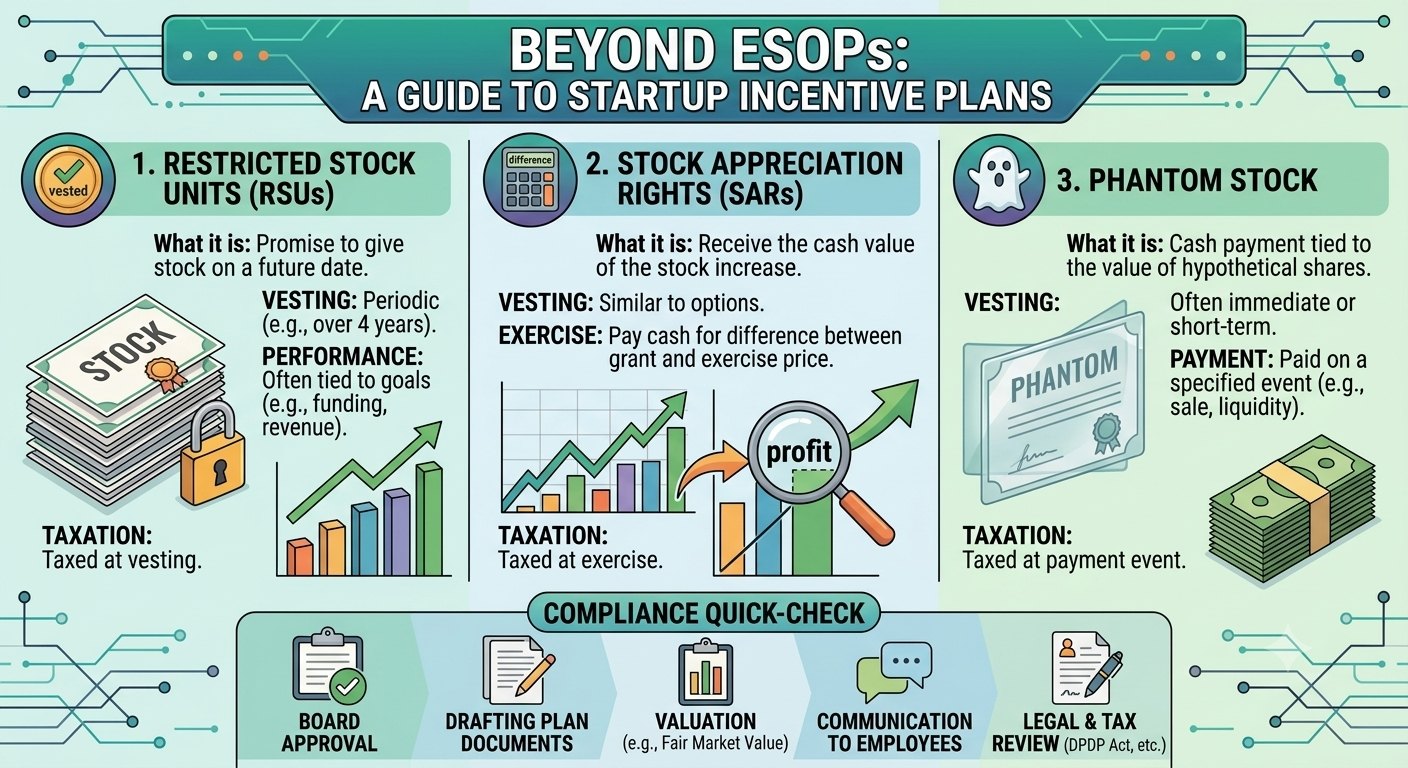
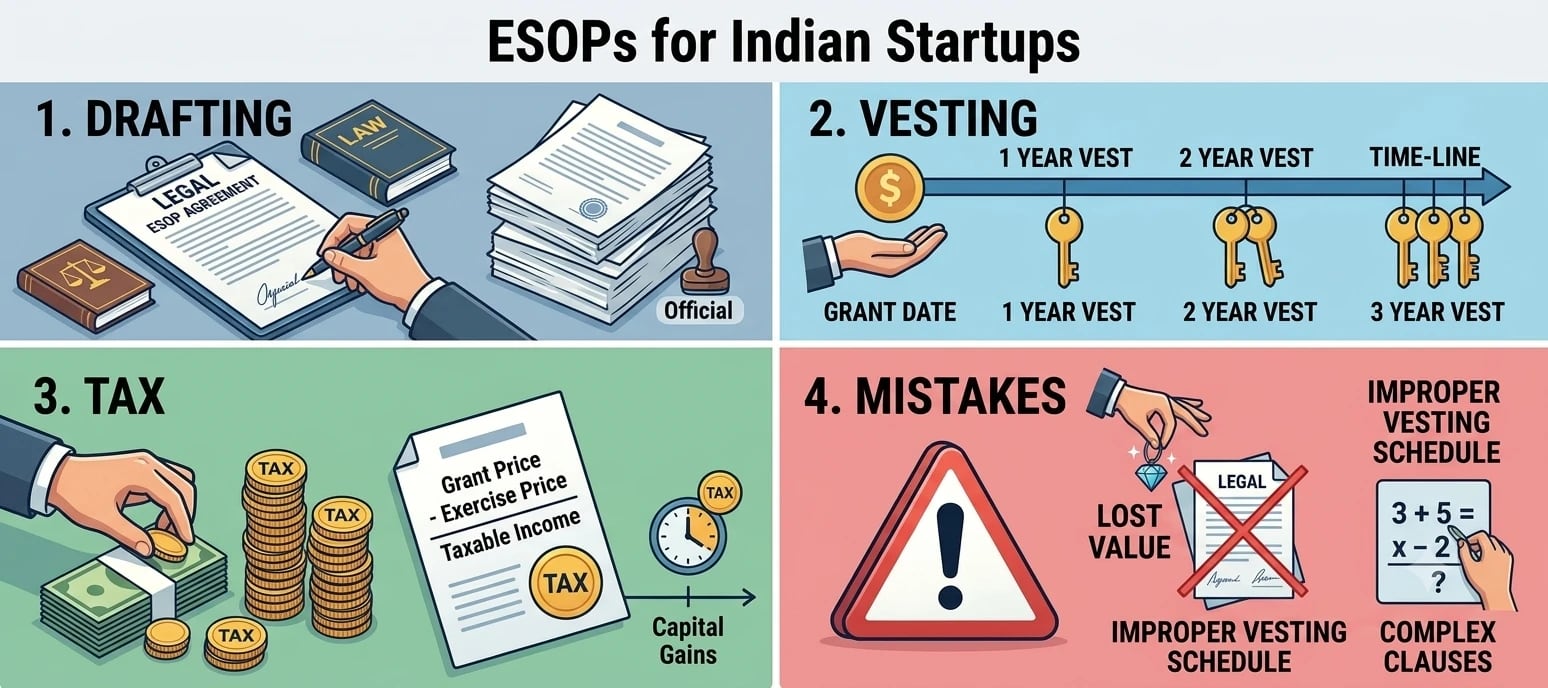
Whichever route you choose to shut down a startup, settle employee dues properly: final salaries, leave encashment, gratuity where it applies, and PF closures. Under the labour codes in force from 21 November 2025, unpaid dues can be claimed before the authorities, and they’re among the most common reasons a closed company resurfaces; see our guide to the new labour codes for startups. Issue experience letters and relieving letters; former employees will remember how the end was handled. If employees hold options, the plan should say what happens on closure; see ESOPs for Indian startups.
Close the tax position too. File final GST returns and apply for cancellation of the GST registration, deposit and report TDS, and file final income tax returns, using the correct references under the Income-tax Act 2025 for periods after 1 April 2026. Outstanding tax demands can be pursued against directors in some situations, and an unresolved demand can be a ground for objection to strike-off.
Don’t forget your investors. Shareholders’ agreements often require investor consent to a closure and specify how any surplus is distributed, and convertible instruments need handling too; see our guide to SAFE and convertible notes. Communicating early, sharing a clear closure plan and getting written consents prevents disputes later, and founder-level exit terms are best settled early in the founders’ agreement. Finally, preserve records. Company records, contracts and financial statements should be kept for the statutory periods, because a struck-off company can be restored to the register. An aggrieved person can apply to the NCLT under Section 252 for restoration, and a company, member or creditor can apply within twenty years of the name being struck off.
Remedies, risks and quick answers
If the Registrar strikes off a company on its own initiative because of non-filing, the company or an aggrieved person can appeal to the NCLT for restoration, and directors who were disqualified as a result may seek relief once the defaults are cured. If a creditor or former employee brings a claim after closure, directors should rely on their records showing that liabilities were settled, and on the indemnity and statements filed with the strike-off application. The Corporate Laws (Amendment) Bill, 2026 proposes to replace criminal liability with civil penalties for many procedural defaults, which may soften the consequences of past lapses once it is enacted; see our overview of the Corporate Laws Amendment Bill 2026. But it won’t remove liabilities for unpaid dues or fraud, so a clean, documented closure remains the best protection.
Quick answers
What is the easiest way to shut down a startup in India?
For a solvent company with no business and no assets left, strike-off under Section 248 by filing Form STK-2 is usually the simplest route.
Do directors remain liable after a company is struck off?
Yes. Under Section 248(7), the liability of directors, officers and members continues as if the company had not been dissolved.
Can a closed company be revived?
Yes. The NCLT can restore a struck-off company under Section 252 on an application by the company, a member, a creditor or an aggrieved person within the time limits in the Act.
Final word
At Halverton & Co., we work with founders, startups and technology-driven businesses on startup closures, strike-off and voluntary liquidation, and director liability. We practise in Jharkhand, Maharashtra and before the Supreme Court of India, and act as fractional legal counsel for companies that need senior legal support without a full in-house legal team. Halverton & Co. is built on a simple idea: Where tech needs law! If this issue affects your business, write to us at office@halvertonandco.com, or get in touch, and we’ll help you work out where you stand.
This article reflects the law and developments reported up to early October 2026. It is for general information only and is not legal advice. Please take advice on your specific facts before acting.
Related practice area
Startups & Venture
From incorporation to term sheet. The documents a company needs to be fundable.
View the practice areaComments
No account needed. Comments are reviewed before they appear, so yours will show here once approved. Please do not share confidential details or describe your own legal matter: replies are general discussion, not legal advice, and do not create an advocate-client relationship. For your own situation, write to office@halvertonandco.com.